
Tips for Creating a Relaxing Home Workspace to Boost Productivity and Comfort
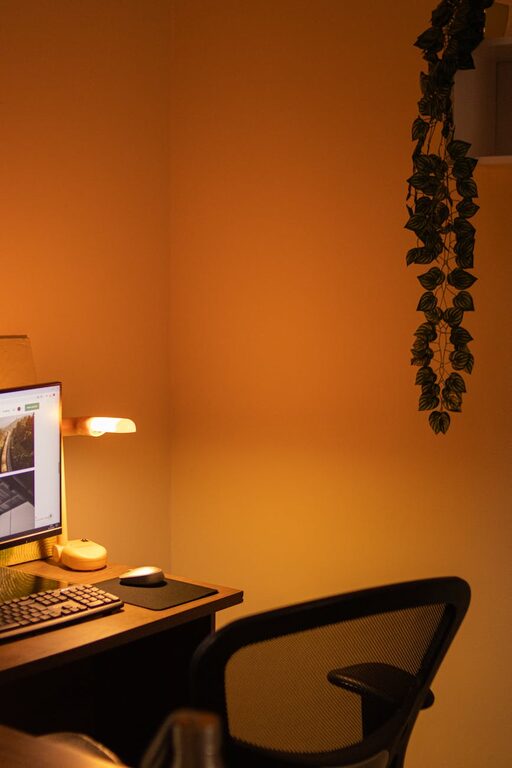
Creating a relaxing home workspace is essential for staying productive and comfortable throughout the workday. Whether you work remotely, run a home business, or study, a well-designed workspace can make a significant difference in your focus, motivation, and overall well-being. In this post, we’ll explore practical tips to help you create a calming and efficient home office environment.
Why a Relaxing Workspace Matters
Your surroundings can greatly affect how you feel and perform while working. A cluttered or uncomfortable environment may lead to distractions, stress, or fatigue. On the other hand, a thoughtfully arranged workspace promotes mental clarity, reduces tension, and supports sustained productivity.
Choose the Right Location
Find a Quiet Spot
Select a space in your home that is away from high-traffic areas and noisy distractions. This could be a spare room, a corner of the living room, or even a section of your bedroom. The key is to find a place where you can focus without interruptions.
Consider Natural Light
Natural light can improve mood and energy levels. Position your desk near a window if possible, but be mindful to avoid glare on your computer screen. If natural light is limited, invest in good-quality artificial lighting that mimics daylight.
Invest in Comfortable Furniture
Select an Ergonomic Chair
An ergonomic chair supports your posture and reduces strain on your back and neck. Look for a chair with adjustable height, lumbar support, and comfortable cushioning. A good chair is a long-term investment in your health.
Choose a Suitable Desk
Your desk should offer enough surface area to hold your computer, notebooks, and other work essentials without feeling crowded. It should also be at a comfortable height to prevent strain on your wrists and shoulders.
Organize and Declutter
Keep Essentials Within Reach
Arrange your most-used items—such as pens, notebooks, and chargers—within easy reach to minimize disruption. Using trays, organizers, or small containers can help keep your workspace tidy.
Declutter Regularly
A clutter-free desk helps keep your mind clear. Set aside time each week to clean and organize your workspace. Avoid letting unnecessary papers, gadgets, or personal items accumulate around your desk.
Personalize Your Space Mindfully
Add Calming Elements
Incorporate elements that bring you peace, like a small plant, a soft lamp, or calming artwork. Plants not only brighten the space but also improve air quality and reduce stress.
Limit Distractions
While personal touches can make your workspace inviting, avoid items that may divert your attention, such as noisy toys, loud decorations, or overly busy designs.
Manage Technology Wisely
Use Cable Management
Tangled cords create visual chaos and can be frustrating. Use cable clips, ties, or tubes to keep wires neat and out of sight.
Optimize Device Setup
Position your monitor at eye level to prevent neck strain, and consider using an external keyboard and mouse if you work on a laptop for added comfort.
Create a Relaxing Atmosphere
Control Temperature and Ventilation
Ensure your workspace is at a comfortable temperature and well-ventilated. Fresh air can help you feel alert and refreshed.
Play Soft Background Music
If it helps you concentrate, play gentle instrumental music or nature sounds. Avoid loud or fast-paced tracks that might be distracting.
Incorporate Break Areas
Have a Space to Step Away
If possible, create a small area close to your workspace where you can take short breaks. This could be a cozy chair or a spot by a window.
Practice Mindful Breaks
Use break time to stretch, breathe deeply, or do light physical activity. This helps reduce tension and returns you to work feeling refreshed.
Maintain Healthy Habits
Set a Routine
Establish regular working hours and stick to them. Consistency helps your brain associate the workspace with focused work time.
Stay Hydrated and Snack Wisely
Keep a water bottle nearby and choose light, healthy snacks that sustain energy without causing sluggishness.
Final Thoughts
A relaxing home workspace is not just about aesthetics—it’s about creating an environment that supports your best work while keeping you comfortable. By selecting the right location, investing in ergonomic furniture, organizing thoughtfully, and adding calming touches, you can transform your home office into a place where productivity and relaxation go hand in hand. Take the time to customize your space to fit your needs, and you’ll likely find that your workdays become more enjoyable and effective.
Related Post
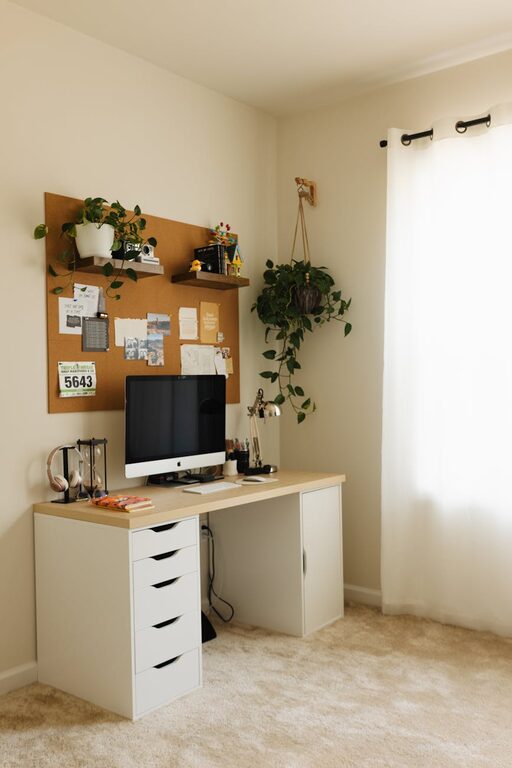
Tips for Creating a Cozy and Productive Home Office Space
Discover practical tips to design a home office that’s both comfortable and efficient, helping you [...]
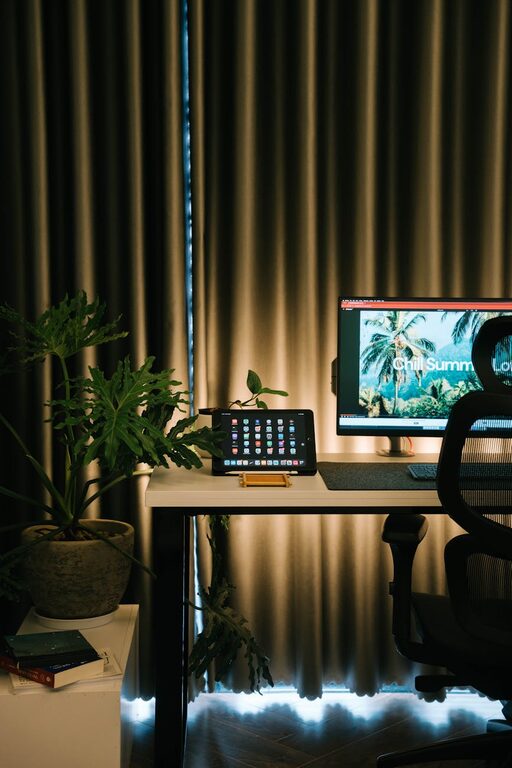
Tips for Creating a Cozy and Inviting Home Office Space
Make your home office a welcoming and productive place with simple tips to add comfort, [...]
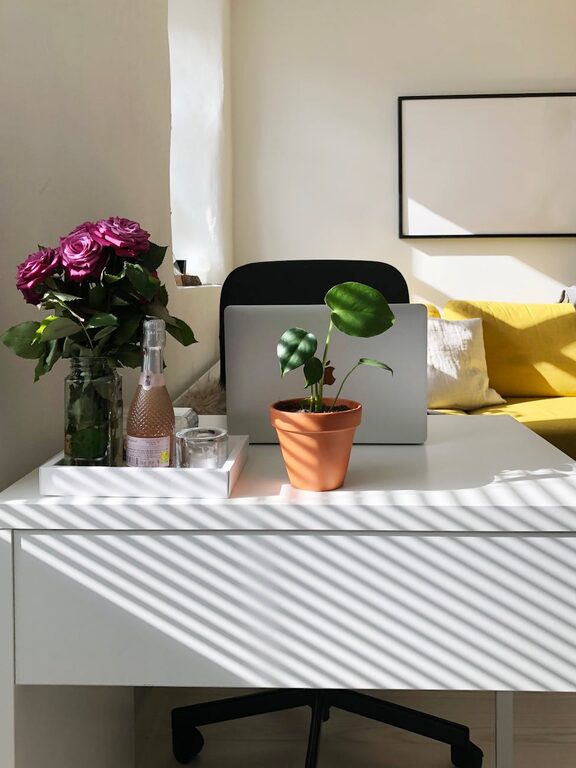
Tips for Creating a Comfortable and Productive Home Office Space
Discover simple and effective tips to design a home office that boosts comfort and productivity [...]