
Tips for Creating a Relaxing Home Workspace to Boost Productivity
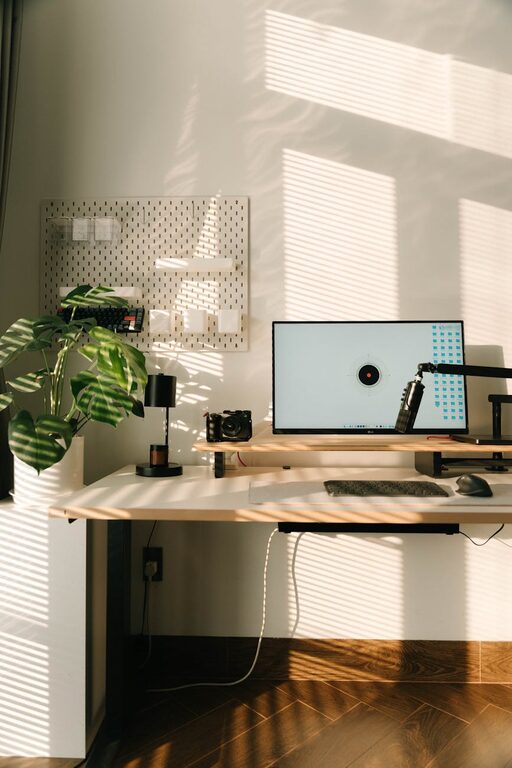
Creating a home workspace that feels relaxing and inviting is essential for maintaining productivity, especially as more people work remotely. A calm environment helps reduce stress and increases focus, allowing you to complete tasks more efficiently. Whether you have a dedicated room or just a small corner, these tips will help you design a workspace that supports both your well-being and work goals.
Choose the Right Location
Selecting the right spot for your home office is the first step.
– Quiet Area: Find a place with minimal noise and distractions.
– Natural Light: Position your desk near a window to take advantage of daylight, which improves mood and energy levels.
– Separate from Daily Distractions: Avoid placing your workspace in high-traffic areas or close to entertainment zones like the TV or kitchen.
Invest in Comfortable Furniture
Comfort plays a big role in your ability to concentrate for long periods.
– Ergonomic Chair: Choose a chair that supports your back and encourages good posture.
– Adjustable Desk: If possible, get a desk that can be raised or lowered to suit sitting or standing positions.
– Proper Desk Size: Make sure your desk has enough space for your computer, notebook, and other essentials without feeling cluttered.
Organize Your Workspace
Clutter can be distracting and drain your motivation.
– Use Storage Solutions: Shelves, drawers, and organizers keep your materials neat and easy to find.
– Keep Only Essentials: Limit items on your desk to what you truly need for work.
– Cable Management: Tidy up cords and wires to reduce visual chaos.
Add Soothing Elements
Incorporate features that promote calm and reduce stress.
– Plants: Add greenery to your workspace; plants improve air quality and add a touch of nature.
– Soft Lighting: Use lamps or light bulbs with a warm tone instead of harsh overhead lights.
– Personal Touches: Include pictures, art, or items that inspire you, but avoid over-decorating.
Maintain a Comfortable Environment
Temperature and air quality impact comfort and productivity.
– Ventilation: Open windows or use air purifiers to keep the air fresh.
– Temperature Control: Use fans, heaters, or air conditioning to maintain a comfortable room temperature.
– Noise Management: Consider noise-canceling headphones or calming background sounds to block distractions.
Establish Boundaries and Routine
Creating a mental separation between work and home life helps maintain focus.
– Set Work Hours: Define clear start and end times for your day.
– Designate Workspace for Work Only: Resist the urge to use your workspace for leisure activities.
– Take Breaks: Schedule short breaks to stand, stretch, or relax your eyes.
Use Technology Wisely
Technology can enhance or hinder your focus depending on how it’s used.
– Limit Notifications: Turn off non-essential alerts during work sessions.
– Use Productivity Tools: Apps for task management, time tracking, or focus can keep you organized.
– Keep Devices Clean: Regularly clean screens and keyboards to maintain a pleasant workspace.
Maintain Regular Cleaning Habits
A tidy space contributes to a relaxed mind.
– Daily Quick Clean: Spend a few minutes each day organizing your desk.
– Weekly Deep Clean: Dust surfaces, vacuum floors, and tidy storage areas regularly.
– Recycle and Declutter: Periodically remove unnecessary papers and items.
Creating a relaxing home workspace is a process that involves attention to comfort, organization, and personal preferences. By implementing these tips, you can build an environment that supports your productivity and makes working from home a more enjoyable experience. Remember, the goal is to create a space that helps you feel calm and focused, so don’t hesitate to customize your workspace until it feels just right.
Related Post
Tips for Creating a Relaxing Home Office Environment
Discover practical tips to design a calming and productive home office that boosts your focus [...]
Tips for Creating a Comfortable and Productive Home Office Space
Discover simple and effective tips to design a home office that boosts comfort and productivity [...]
Tips for Creating a Relaxing Home Workspace to Boost Productivity and Comfort
Discover practical tips to design a relaxing home workspace that enhances both comfort and productivity [...]